Texas Asparagus
Accumulating my notes for gardening in Central Texas (zone 8b/9a). I hope that this assists you in your garden journey as well! As an Amazon Affiliate I may earn from qualifying purchases.
Asparagus
This is the dawning of the age of asparagus!
Planting Season
Asparagus is a perennial crop that takes patience early on but produces for 15–20 years once established.
Plant crowns (1-year roots) in late winter to early spring as soon as soil can be worked.
In warm climates, it can also be planted in fall for earlier spring growth.
Sowing & Planting
-
Plant either 1-year crowns (recommended) or start from seed indoors 10–12 weeks before last frost.
-
Create trenches 6–8 inches deep.
-
Space crowns 12–18 inches apart in rows 3–4 feet apart.
-
Spread roots out like a “spider,” cover with 2 inches of soil, and gradually backfill as shoots grow.
Do not harvest the first year. Light harvest in year two; full harvest beginning year three.
Square Foot Gardening Size
Plant 1 crown per square foot (bordering the edge of beds is ideal due to its perennial habit)
Hydroponics
Not ideal due to its long establishment time and woody root structure.
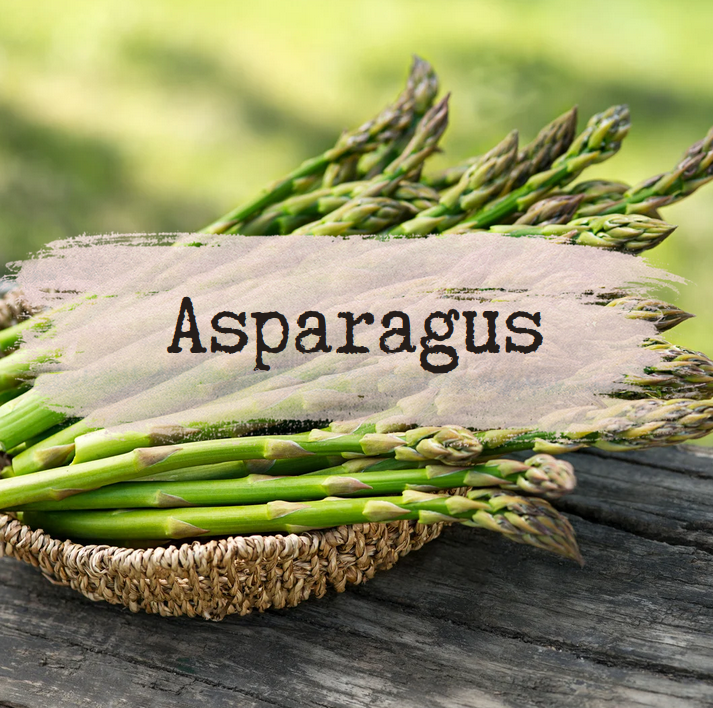
My Preferred Varieties
- Mary Washington (Heirloom)
- Millennium
- Jersey Knight
Companion Planting
Good Companions
- Basil
- Parsley
- Marigolds
- Cilantro
- Spinach
- Lettuce
- Nasturtiums
- Strawberries*
Bad Companions
- Onions
- Garlic
- Leeks
- Potatoes
Requirements, Plant Care, and Maintenance
Soil
Asparagus prefers deep, well-drained soil rich in organic matter.
Work compost 8–10 inches deep before planting. Avoid waterlogged beds.
Water
Keep evenly moist the first two growing seasons to establish roots.
Mulch helps conserve moisture and suppress weeds.
Support
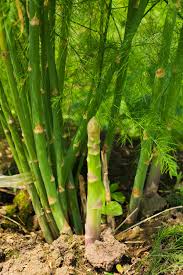
None needed, but leave ferny fronds standing until they die back naturally — they feed next year’s crop.
Pruning
In late fall or winter, cut dead fronds to ground level and remove to prevent overwintering pests.
Tips and Tricks
-
Top-dress yearly with compost or aged manure.
-
A layer of straw mulch keeps weeds controlled (asparagus hates competition).
-
Salt is sometimes recommended for weed control — avoid it; it damages soil long-term.
Harvesting and Using
Harvesting
-
Begin light harvest in year two: only 1–2 weeks.
-
Year three and beyond: harvest 6–8 weeks each spring.
-
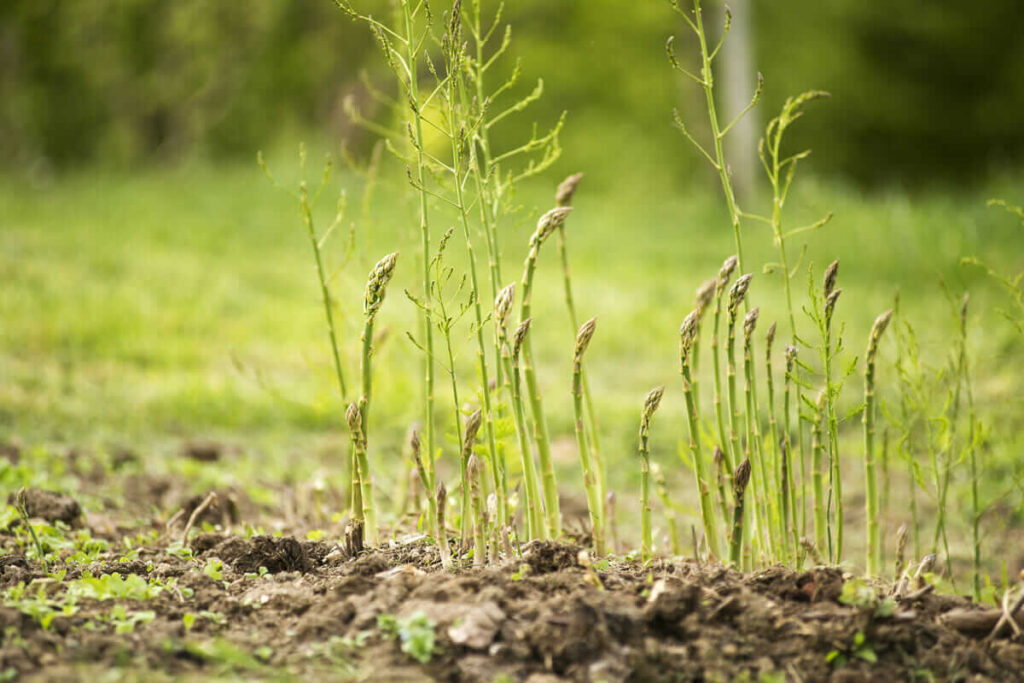
Cut spears when they reach 6–8 inches tall and are still tight at the tips.
Stop harvesting when spears become thin like pencils — this signals the plant needs rest.
Storing
-
Refrigerate fresh spears upright in a jar with 1–2 inches of water (short term).
-
Blanch and freeze for long-term storage.
-
Pressure canning is acceptable (not water bath).
-
Dehydrating works well for soups and casseroles.
Seed Saving/Heirloom notes
Female plants produce red berries with seeds — but they divert energy from spear production.
Many modern hybrids are all-male for higher yields.
If saving seed:
-
Allow berries to fully mature and dry.
-
Remove pulp, wash seeds, and dry thoroughly.
-
Be aware results may not match the parent plant, especially with hybrids.
Lemon Sugar Cookies
You May Also Like
Homemade Pesto
May 16, 2021
Irish Potato Bread
January 31, 2021